When the clocks go back and the garden settles into its winter quiet, it is natural to think of it as a season to wait out. The borders are cut back, the furniture is under cover, and most outdoor plans are quietly filed away until the first warm weekend of spring.
Yet the gardens that feel most resolved by May are very often the ones that were planned in November. Choosing to commission garden joinery over the winter months means the thinking, the making and the fitting all happen while the garden is resting, so that when growth begins, the structure is already in place and ready to be enjoyed.
Let us explore why winter is not a dead season for garden projects, but the most valuable planning window of the year.
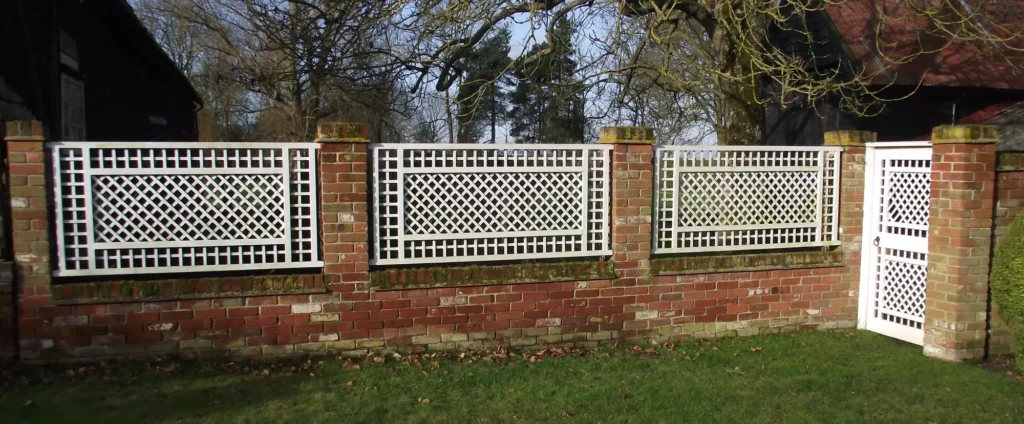
Why winter suits commissioning garden joinery
Spring is when almost everyone has the same idea at once. Longer evenings and the first flush of colour send homeowners, designers and landscapers back outdoors, and demand for garden work rises sharply in a matter of weeks.
Commissioning in winter sidesteps that rush entirely. There is time to consider proportions, compare finishes and refine a design without feeling pressed to decide before the season gets away from you. The result is usually a more considered piece, and a calmer process from start to finish.
Here are a few of the quiet advantages of starting the conversation now:
- More time to refine sizes, styles and finishes before anything is made
- Easier scheduling with landscapers and contractors outside their busiest months
- Structures fitted and settled before climbers and borders begin to grow
- A garden that is ready to use from the first fine day, rather than mid-summer
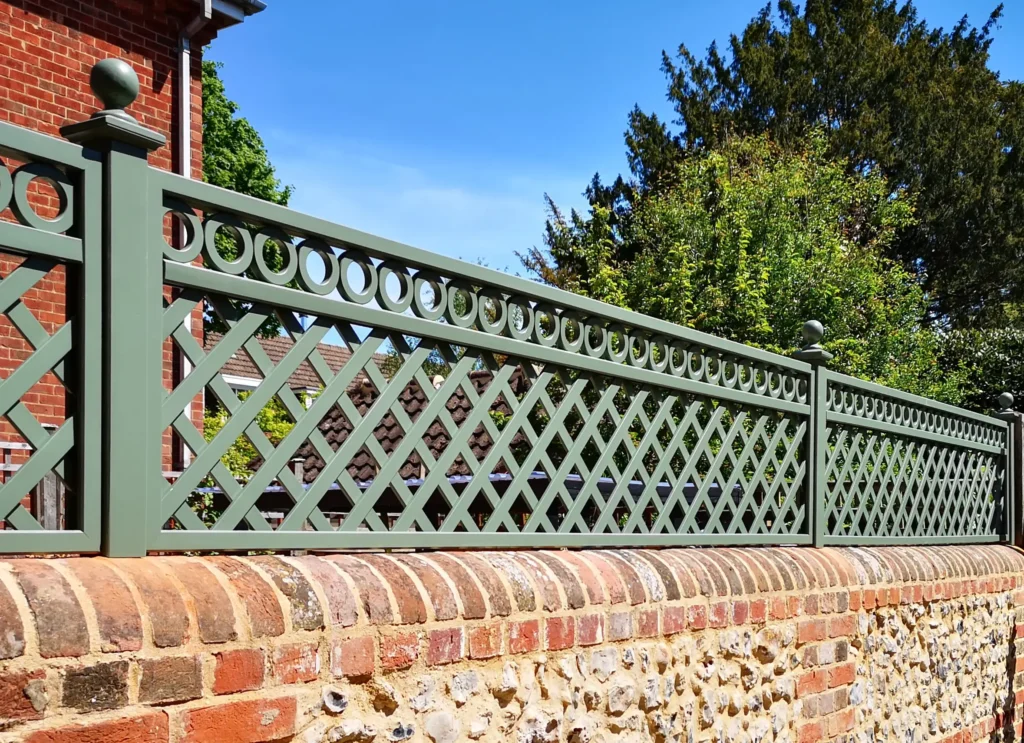
Contractor availability and a calmer pace
Landscapers and garden contractors tend to be fully booked from early spring through to summer. Over winter, diaries are often more flexible, which makes it far simpler to coordinate the arrival of joinery with the people who will fit it.
That flexibility matters more than it first appears. When your fencing, trellis and gates arrive in good time, the fitting can be planned around the weather and the wider project, rather than squeezed into whichever slot happens to be free. Work carried out without hurry is almost always work that looks and lasts better.
Ground conditions and a dormant garden
Winter has a practical advantage that is easy to overlook: the garden is dormant. With perennials cut back and deciduous shrubs bare, there is far less to disturb when posts go in or a boundary is replaced, and planting recovers quickly once spring arrives.
The bare garden also reveals its bones. Without the softening of summer foliage, it becomes much easier to see where a boundary feels weak, where a view needs framing, or where a gate would give a route more definition. Fitting can then be timed for drier, settled spells, so the structure goes in cleanly and has the whole of late winter to bed down.
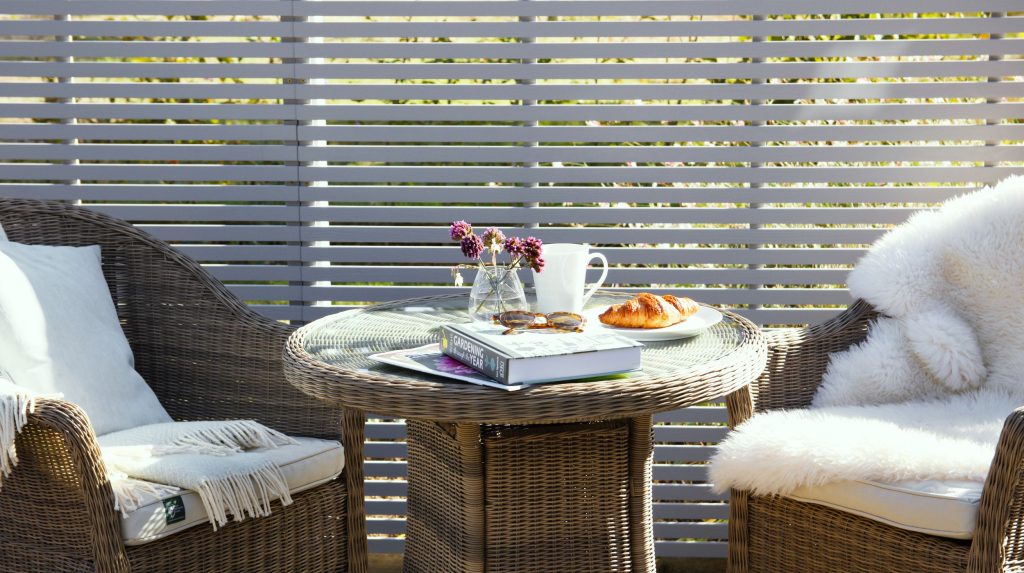
Bespoke lead times as a reason to plan early
Made-to-measure work takes time, and it should. Each piece of bespoke garden joinery is designed, cut and finished to suit a particular space, which is precisely what makes it feel so at home once it is in place.
Rather than seeing lead times as a frustration, it helps to see them as part of the rhythm of a good project. Commission in winter and the making happens quietly in the background while the garden rests. By the time spring arrives, the work is complete, and the only thing left to do is enjoy it.
Bespoke trellis for awkward or exacting spaces
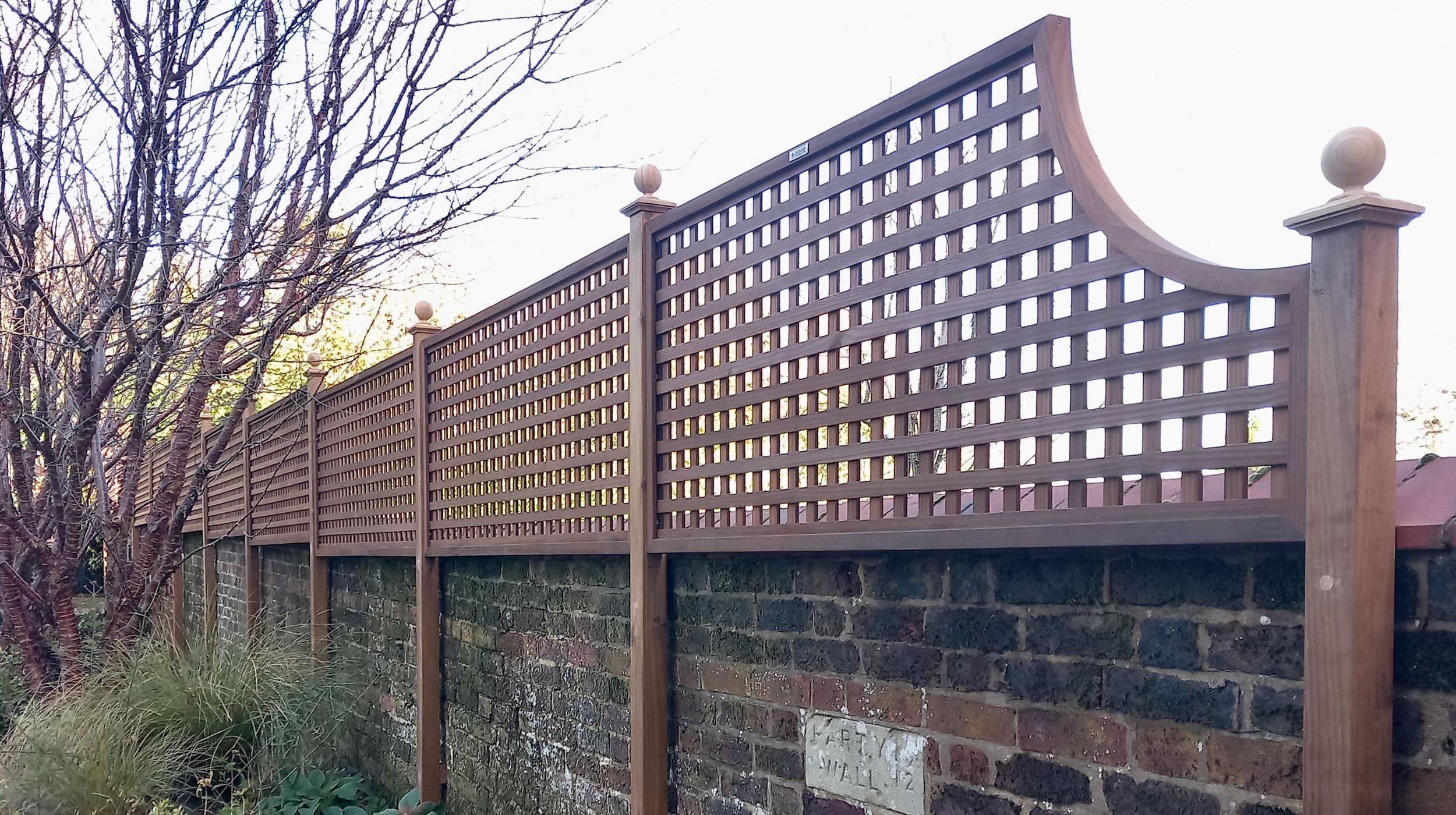
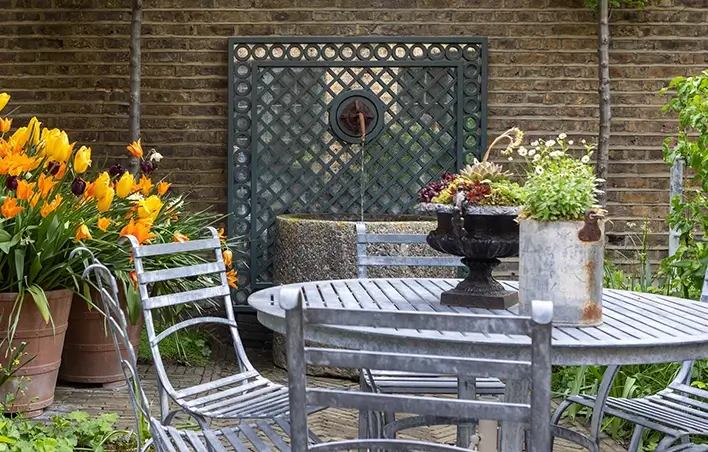
Walls rarely come in standard widths, and older properties in particular can have uneven boundaries or unusual heights. Bespoke trellis panels can be tailored to these exact dimensions, giving climbers a structure that fits the space rather than one that almost fits.
Gates made to suit the opening
A gate is touched every day, so it is worth getting right. Openings between old brick piers or along sloping paths are rarely standard, and bespoke gates allow the width, height and style to be matched to the house and the route it serves.
Boundaries that frame the whole garden
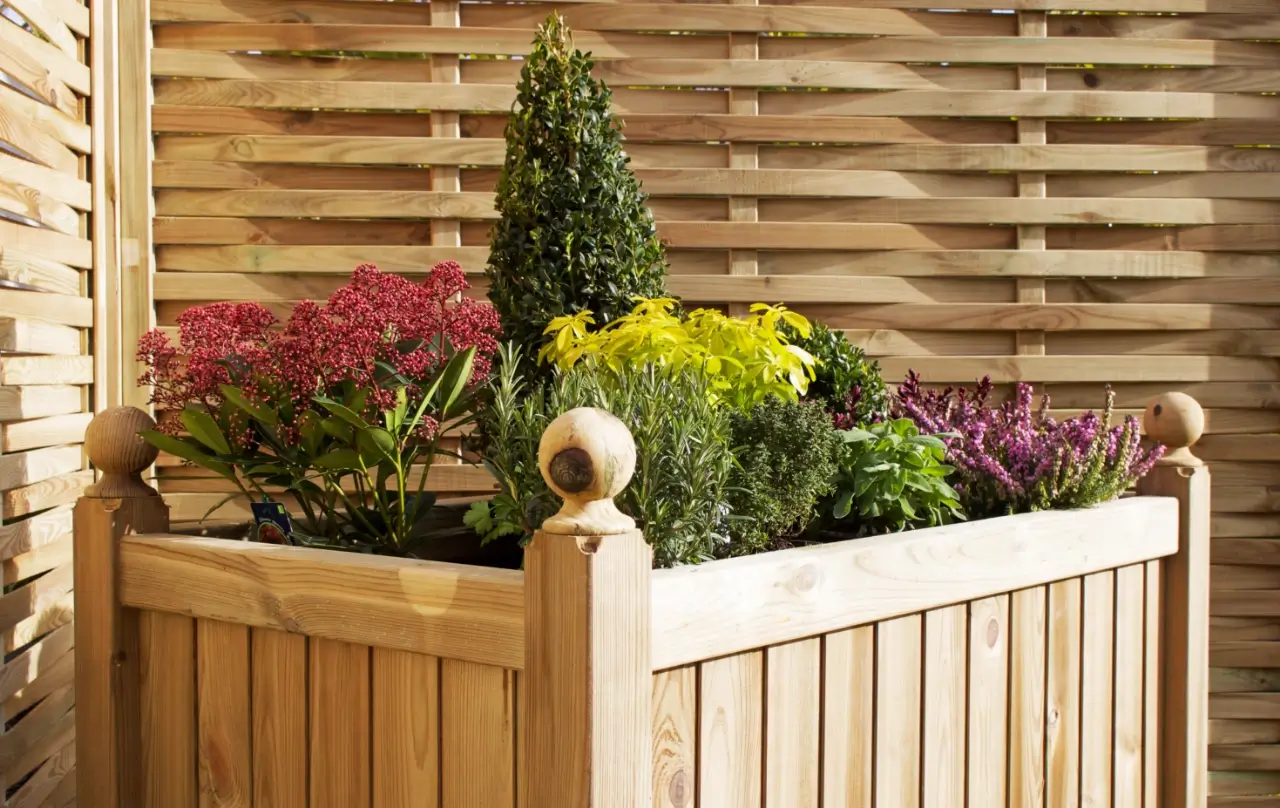
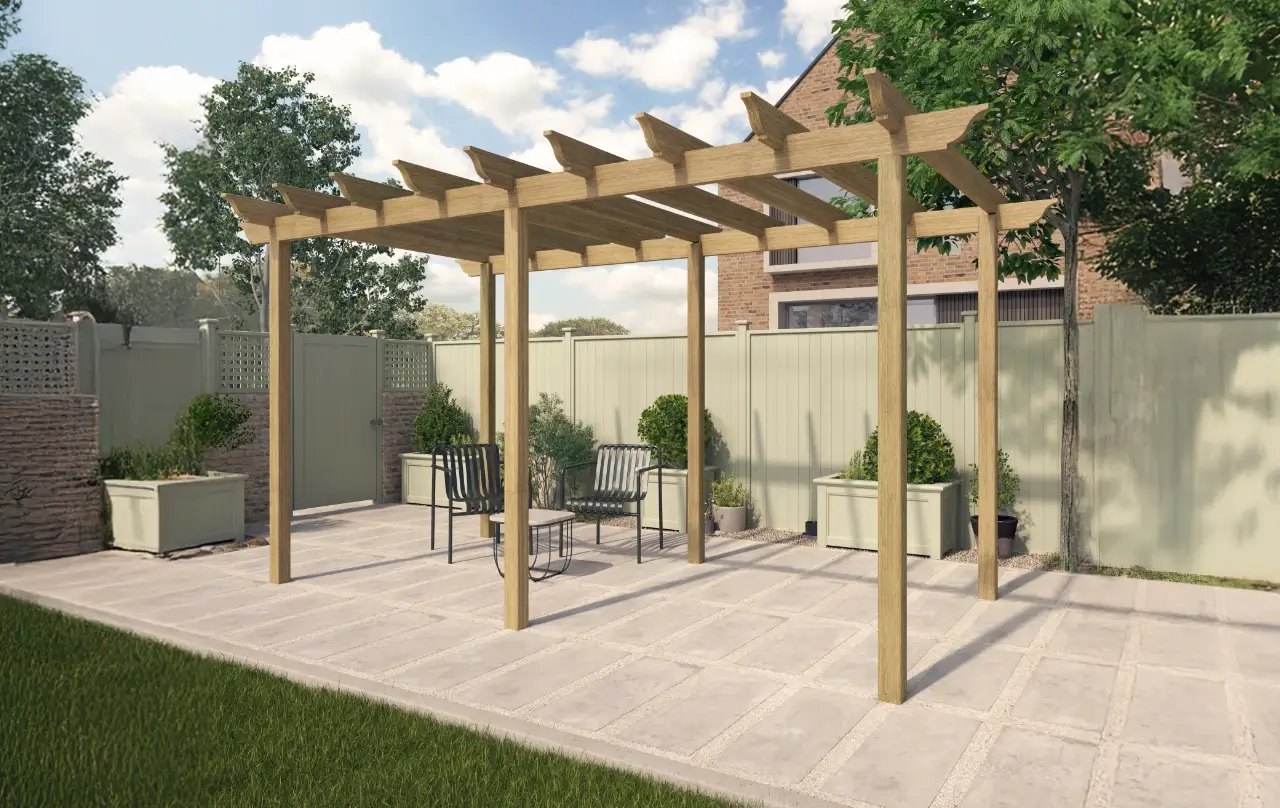
Fencing shapes how a garden feels more than almost any other element. Planning a new boundary in winter allows time to consider height, rhythm and finish as part of the overall design, rather than as a hurried replacement after a storm.
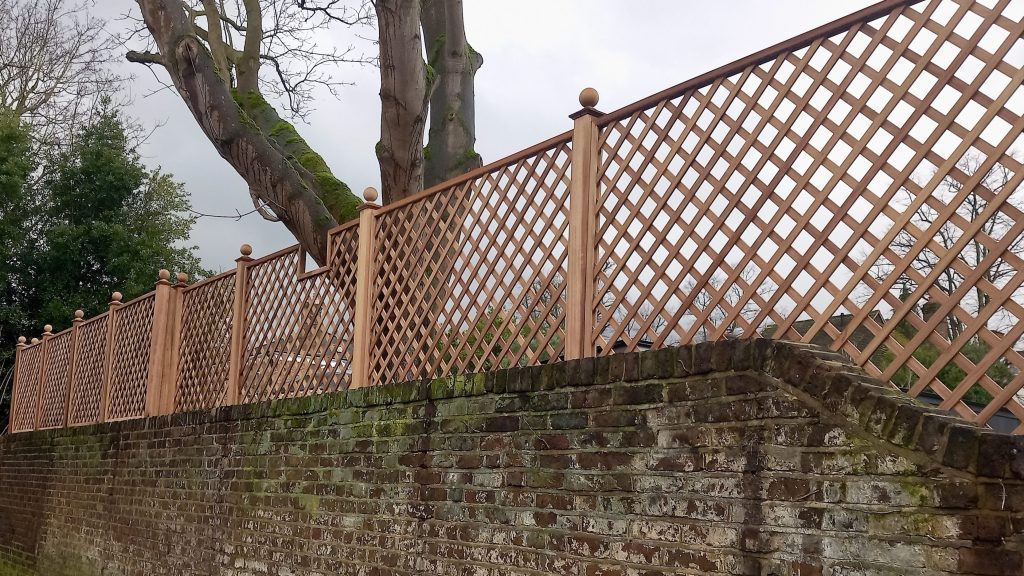
Commissioning garden joinery alongside bare-root planting
Late autumn and winter are traditionally the bare-root season, when roses, hedging plants and fruit trees are lifted while dormant and planted out before spring. It is also, quite naturally, the season for structural planning.
The two work beautifully together. A new rose arch or run of trellis fitted in winter can receive its bare-root climbers at the same time, so plant and structure establish together from the very start. In the same way, a new boundary can be paired with bare-root hedging, giving the garden a layered, settled look far sooner than if each were added separately.
When considered early, this pairing brings a few lasting benefits:
- Climbers can be trained into trellis from their first season of growth
- New hedging and fencing mature into a single, cohesive boundary
- Borders are planted once, around finished structures, rather than disturbed twice
Choosing the right range for the project
Not every project calls for bespoke work. Many gardens are beautifully served by standard trellis panels and garden gates, and winter is just as good a time to plan and order these as it is to commission something made to measure.
For gardens where longevity and refinement are the priority, such as heritage properties or a long-term investment in a family garden, the RHS Prestige range offers a more substantial, enduring option. It is handcrafted in Essex to the same exactingstandard as our bespoke work, but in fixed sizes and designs that suit most gardens. Taking the time over winter to weigh these choices is part of what makes the finished garden feel so intentional.
Here are a few ways to approach your winter commission:
- Start with the boundary so fencing sets the frame for everything else
- Add trellis where walls feel bare to prepare for spring climbers
- Finish with a gate that gives the route a clear and welcoming point of arrival
- Consider bespoke work wherever the space is irregular or the design is exacting
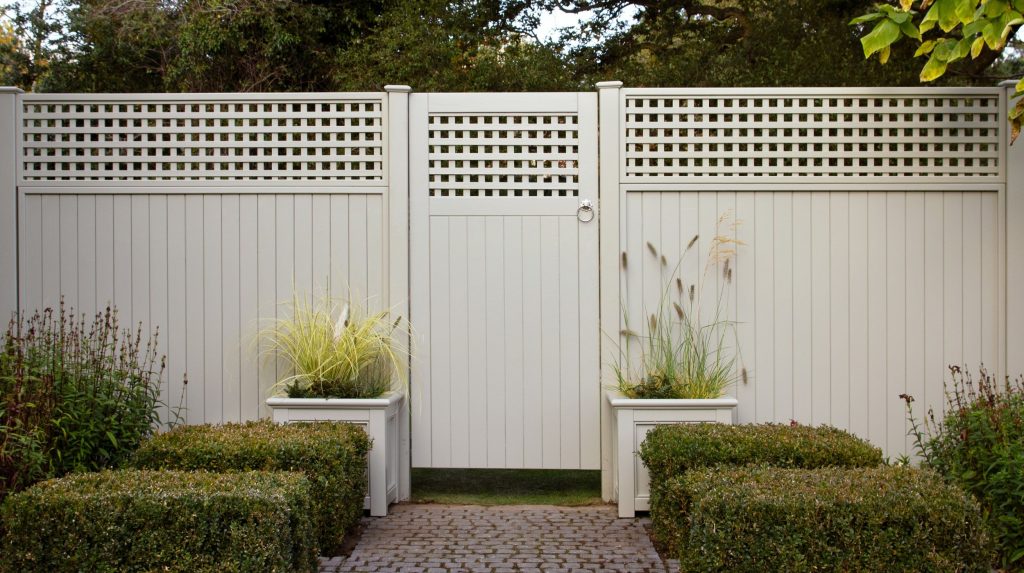
A season for planning, not waiting
Winter is not the gap between gardening seasons. It is the quiet stretch in which the best spring gardens are shaped, with time to think, time to make and time for each structure to settle before the first green shoots appear.
If you are considering a project for next year, explore our bespoke garden joinery, trellis panels, fencing, garden gates and the RHS Prestige range. Our team is always happy to talk through your plans, so that your garden is settled, structured and ready to grow when spring arrives.