
There is a particular feeling that comes with stepping out into a brand new garden for the first time. The fences are crisp, the lawn is freshly laid, the patio is square and clean. And yet, for many new homeowners, the space can feel surprisingly flat.
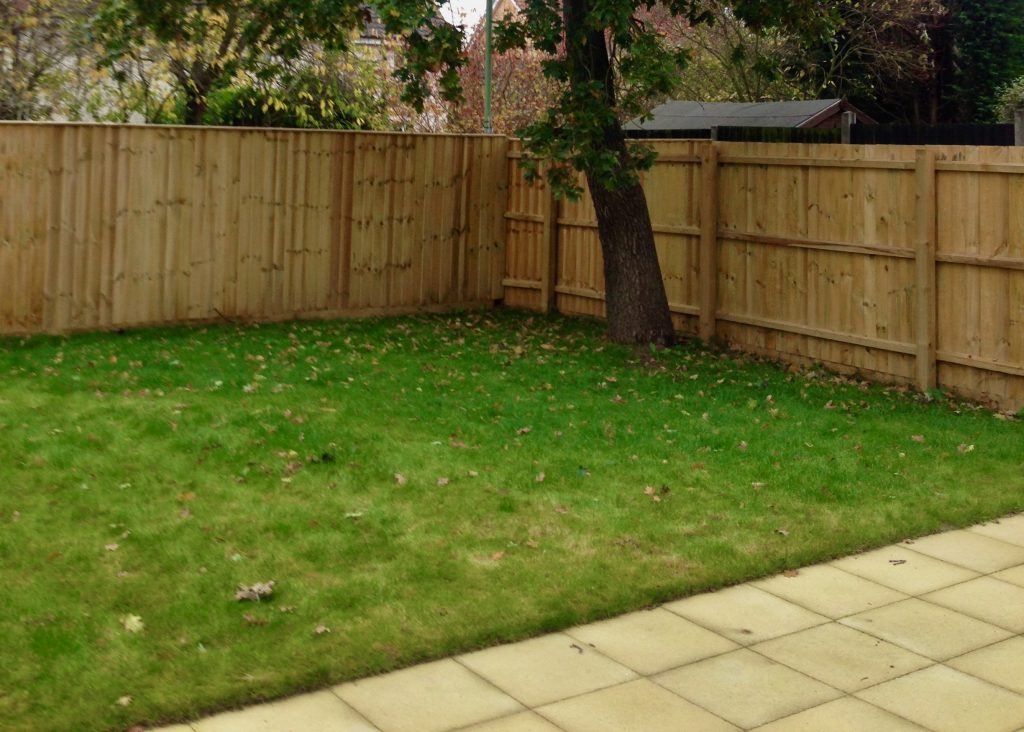
Long boundaries dominate, the plot looks shallower than expected, and there is little to draw the eye anywhere in particular. It can feel less like a garden and more like an outdoor extension waiting for someone to give it character.
Understanding how to soften a new build garden begins with accepting that planting alone rarely solves the problem. What these spaces need is a thoughtful balance of structure and softness, introduced together so the garden starts to feel intentional from the very first season. With the right pergolas, wooden planters, obelisks, rose arches and quietly placed storage, even the most boxy plot can begin to feel layered, considered and beautifully resolved.
Let us explore how each of these elements helps a new build garden feel less like a blank page and more like a settled outdoor room.
Why New Build Gardens Feel Hard and Unfinished
Most new build gardens share a similar set of challenges. Boundaries are exposed, often with high panel fencing visible from every seating spot. Plots can be surprisingly shallow, with the house and rear fence sitting closer together than the brochure suggested. There is little planting maturity, no overhead canopy, and very few moments where the eye has somewhere to rest.
This is not a fault of the garden, but a reflection of its newness. Soft, mature spaces are made over time, with planting that fills out and structures that bed into the landscape. The good news is that a few well-chosen design elements can replicate that sense of maturity far more quickly than planting alone.
The aim is to introduce vertical interest, overhead structure and gentle progression through the plot. When these are in place, the boundaries recede, the proportions feel more balanced, and the garden begins to feel like a place rather than a perimeter.
Pergolas as Instant Overhead Structure
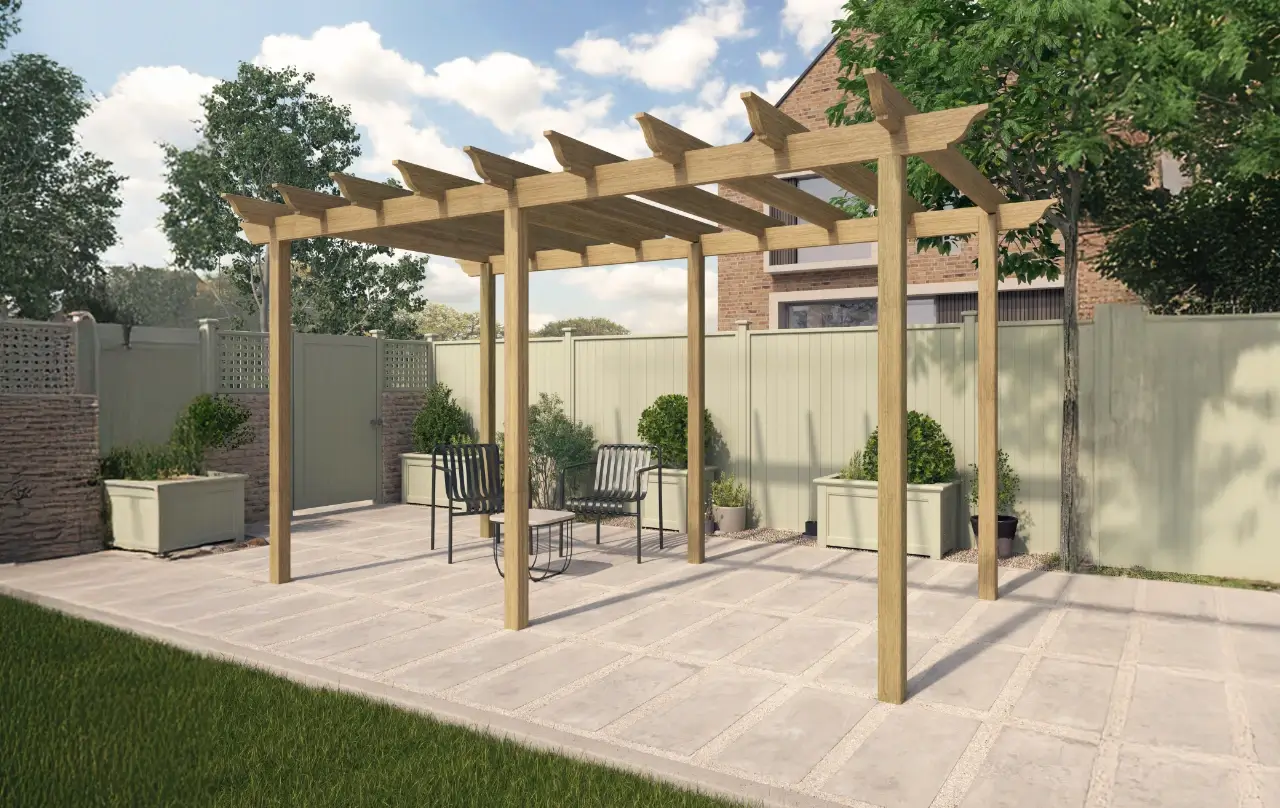
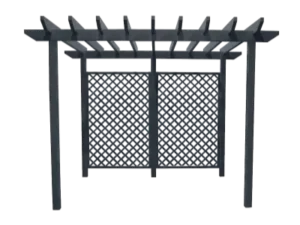
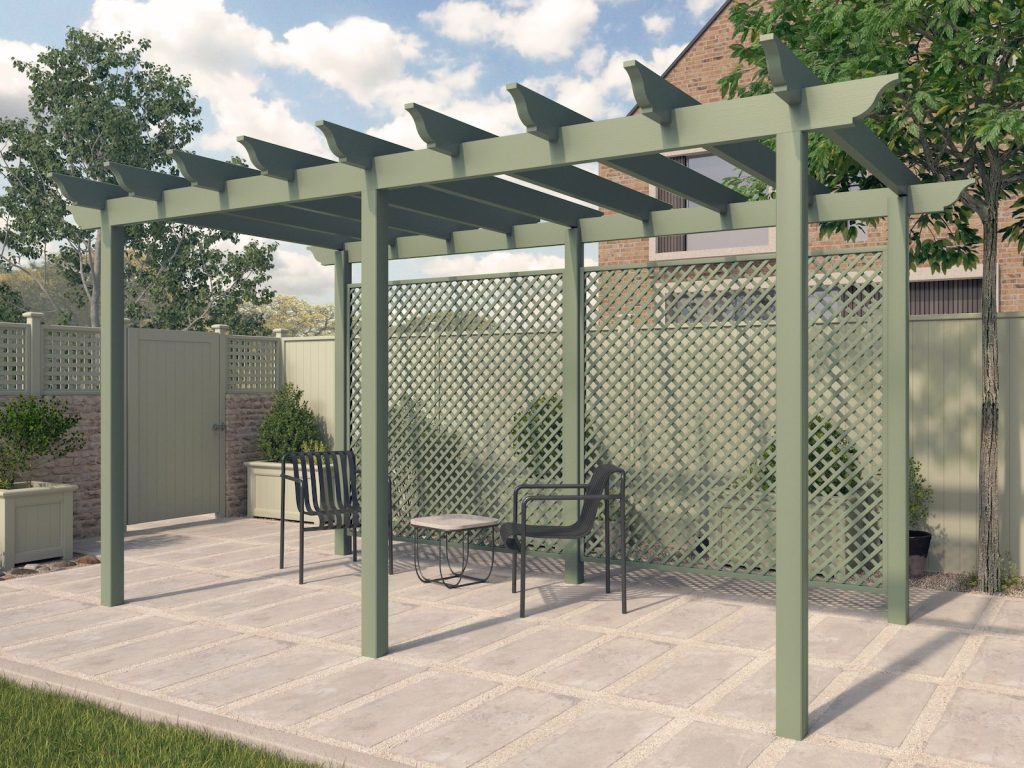
One of the most powerful changes a new build garden can have is something happening above eye level. Without overhead structure, even a generously sized plot can feel flat and exposed. A timber pergola addresses this in a single, considered gesture.
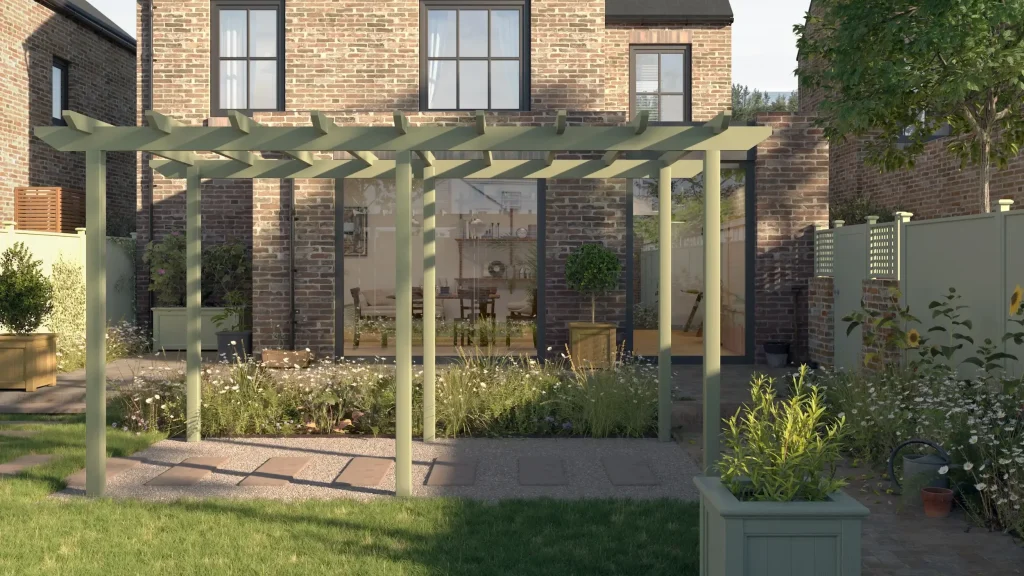
Positioned over a patio or seating area, a pergola creates a sense of enclosure without closing the garden in. It frames the sky, casts dappled shadows across paving, and gives climbing plants something to grow into over the years. In design terms, it acts as a soft ceiling, signalling that the space below is for sitting, dining or pausing.
Pergolas work particularly well in new build settings because they:
- Create height immediately, where planting cannot
- Define a seating zone without the need for walls or hedges
- Soften the relationship between house and lawn
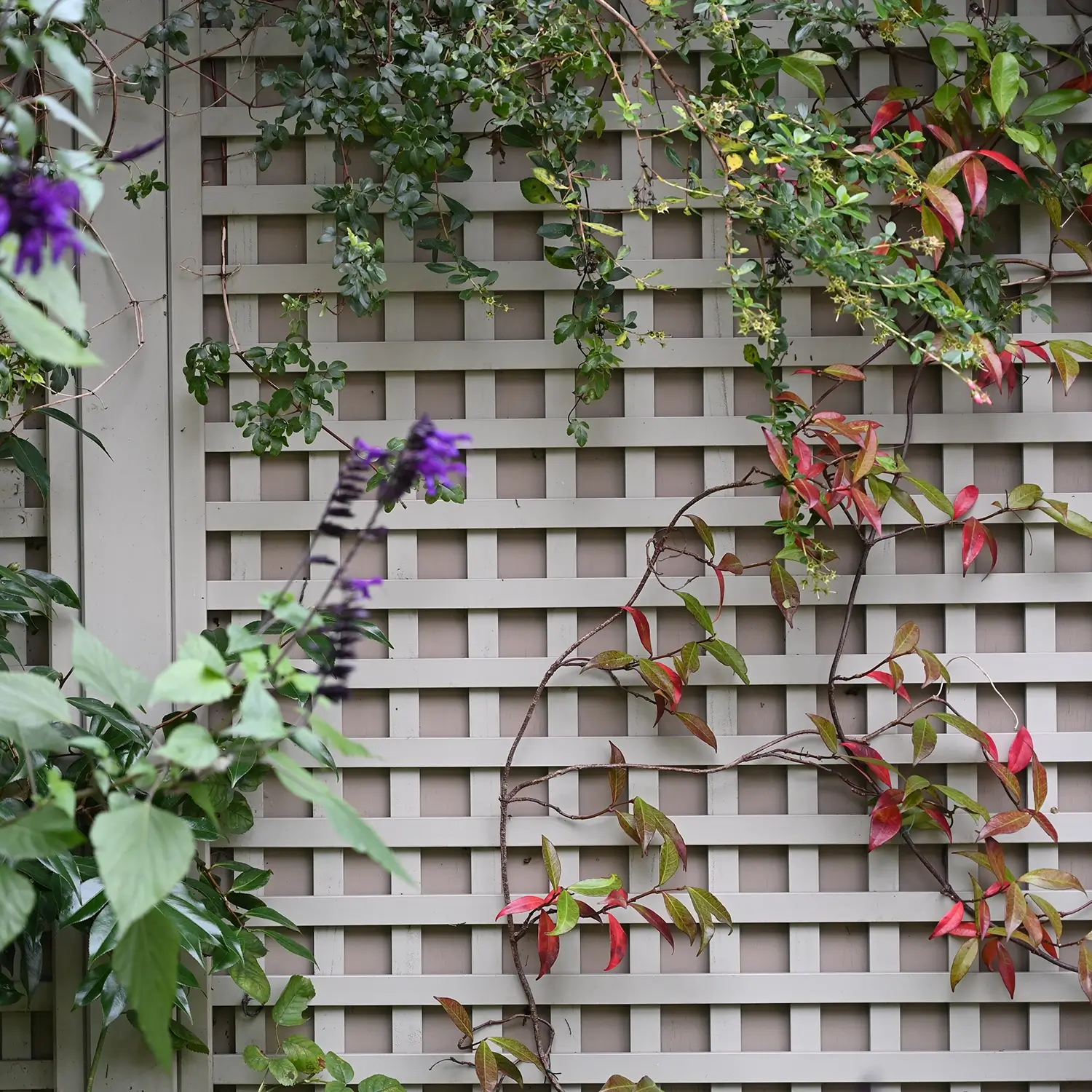
- Offer a structural anchor for climbers such as wisteria, jasmine or roses
For shallow plots, even a modest pergola tucked close to the house can transform how the garden feels. The threshold becomes a destination in its own right, rather than a hard edge between indoors and out.
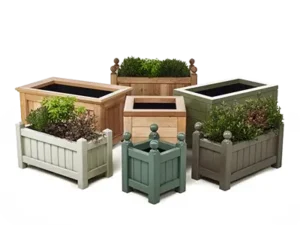
Wooden Planters for Softness Near the House
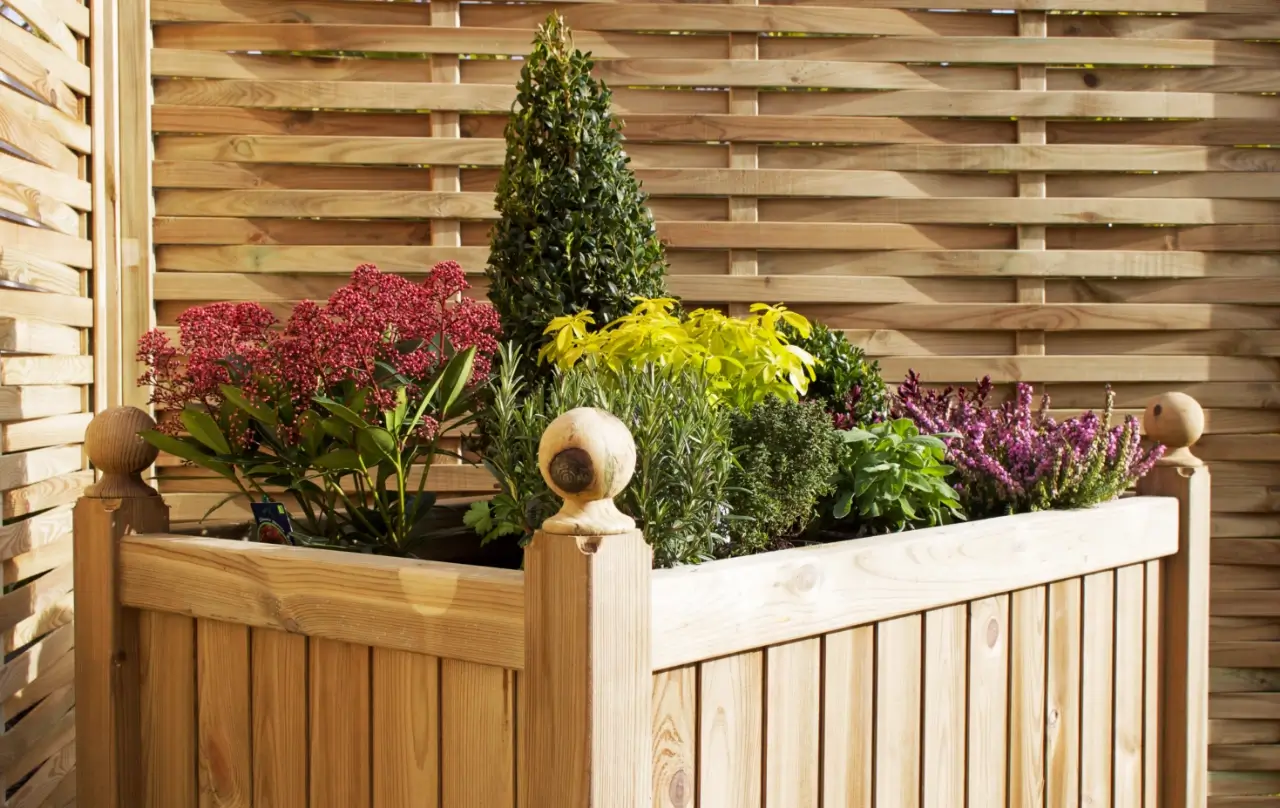
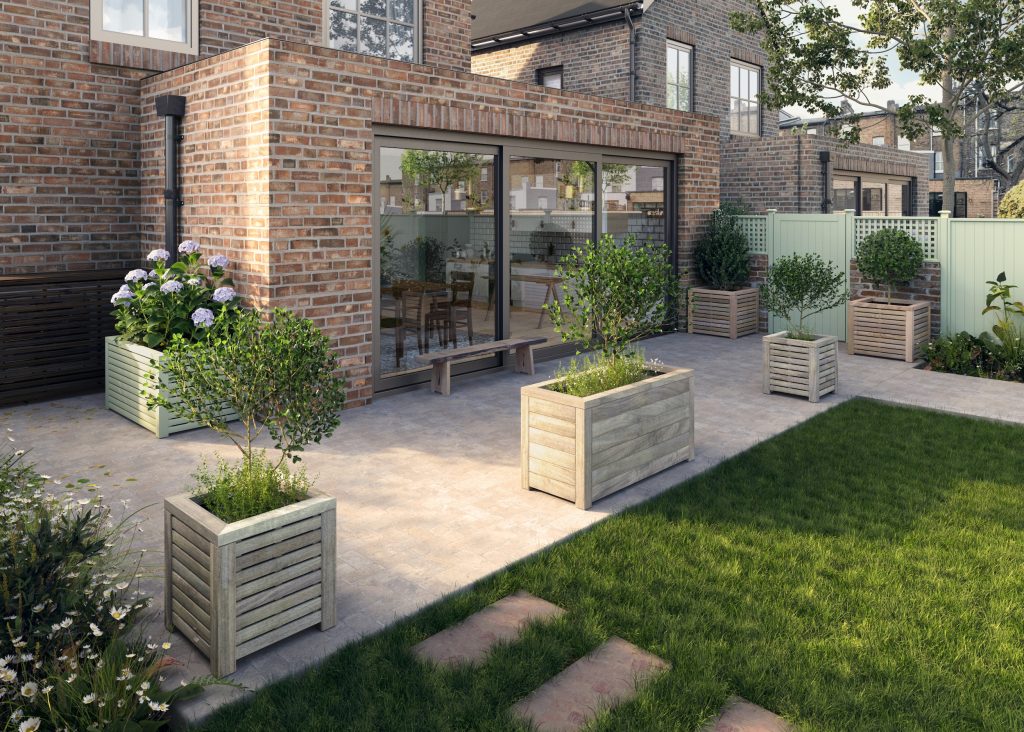
A great deal of a new build garden’s character is decided in the first few metres beyond the back doors. This is the space where readers spend the most time, and where bare paving and crisp fencing tend to feel most exposed. Adding wooden planters in this zone is one of the simplest ways to bring softness, texture and a sense of scale to the threshold.
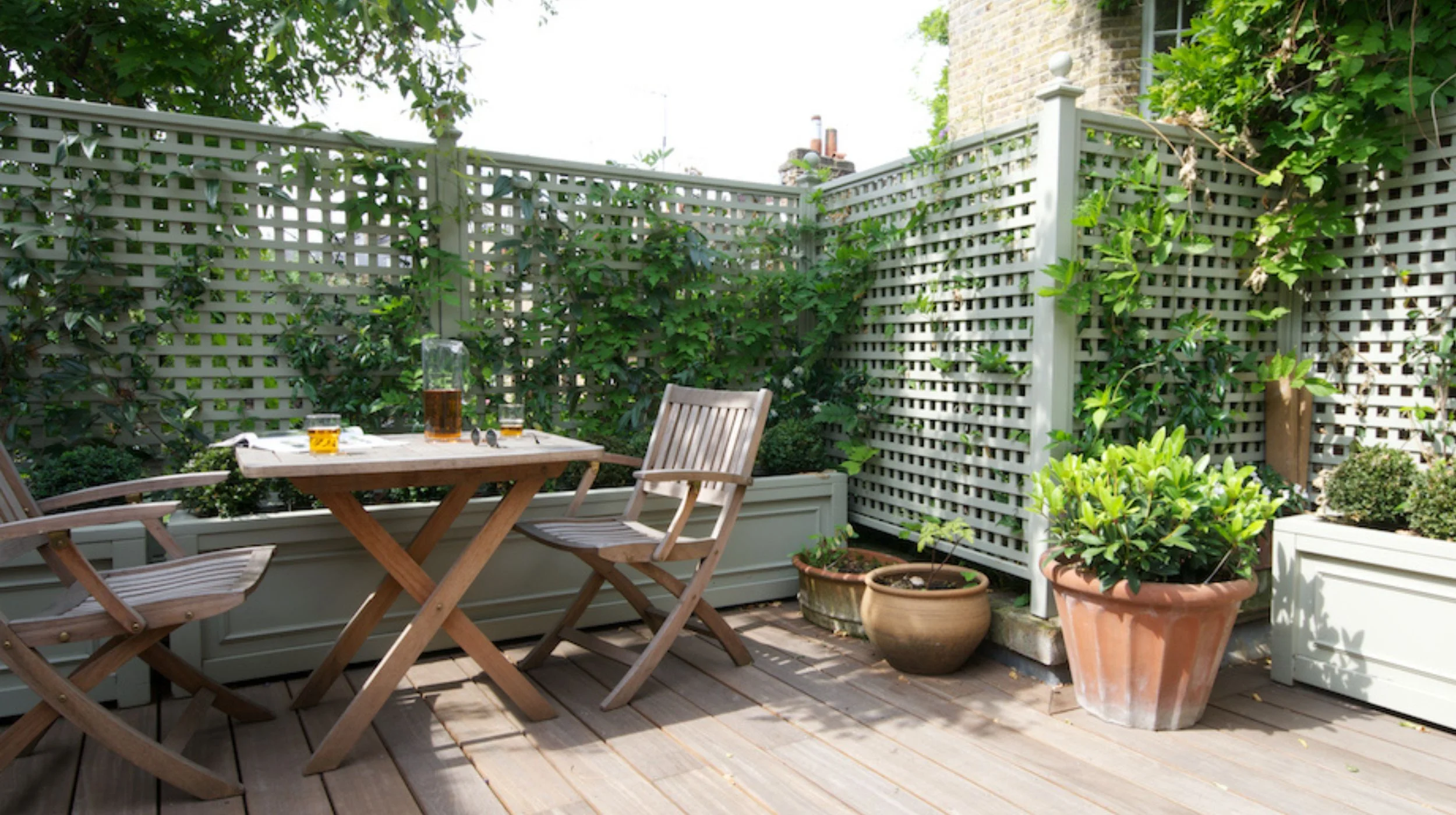
A pair of generous planters either side of a doorway adds an immediate welcome. A run of rectangular planters along a fence line introduces a layer of greenery that visually pushes the boundary further away. Smaller groupings on a terrace can divide the patio from the lawn without resorting to hard structures.
Timber planters in particular suit a new build context because they introduce a natural, tactile material into a space that often feels dominated by render, brick and crisp paving. As the timber softens with weathering, it begins to look like part of the established garden rather than an addition to it.
Obelisks for Vertical Detail in the Borders
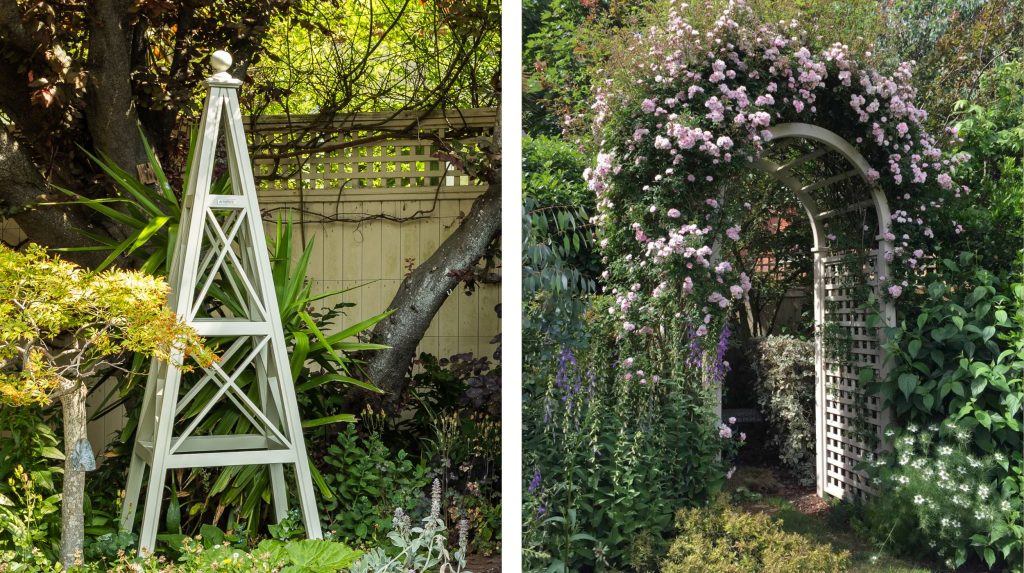
Borders in a new build garden often look thin in the first year or two. Plants are still finding their footing, gaps are common, and even well-stocked beds can feel low and hesitant. Obelisks offer a graceful way to bring height and intent into these spaces while planting matures around them.
A timber obelisk gives a clematis or sweet pea something proper to climb, but its quiet contribution is structural. It draws the eye upward, breaks up the horizontal sweep of a young border, and lends a sense of architectural rhythm where there was previously little. Three obelisks placed at considered intervals can completely change how a long, shallow border reads.
Obelisks are particularly useful for homeowners who want to plan vertical interest before planting catches up. By the time climbers have wrapped themselves around them, the garden as a whole has begun to feel established, and the obelisks have already done their structural work.
Rose Arches and Arbours for Movement and Progression
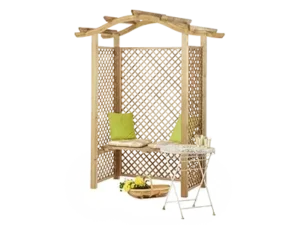
A common feature of new build plots is the absence of progression. The garden is usually one open rectangle, with seating at one end and lawn in the middle, and very little reason to move from one part to another. Introducing a rose arch or arbour is a beautifully simple way to solve this.
A rose arch placed at the boundary between two zones, perhaps where the patio meets the lawn or where the lawn gives way to a planted area, creates a moment of transition. It frames the view beyond, encourages gentle movement through the garden, and adds the kind of vertical detail that immediately suggests maturity.
An arbour goes further still. By providing a covered seating spot at the far end of the garden, it gives the eye somewhere to travel to, and the body somewhere to head for. Even in a compact plot, this gentle sense of progression makes the garden feel longer, more considered and more inviting.
Storing Practical Things Out of Sight
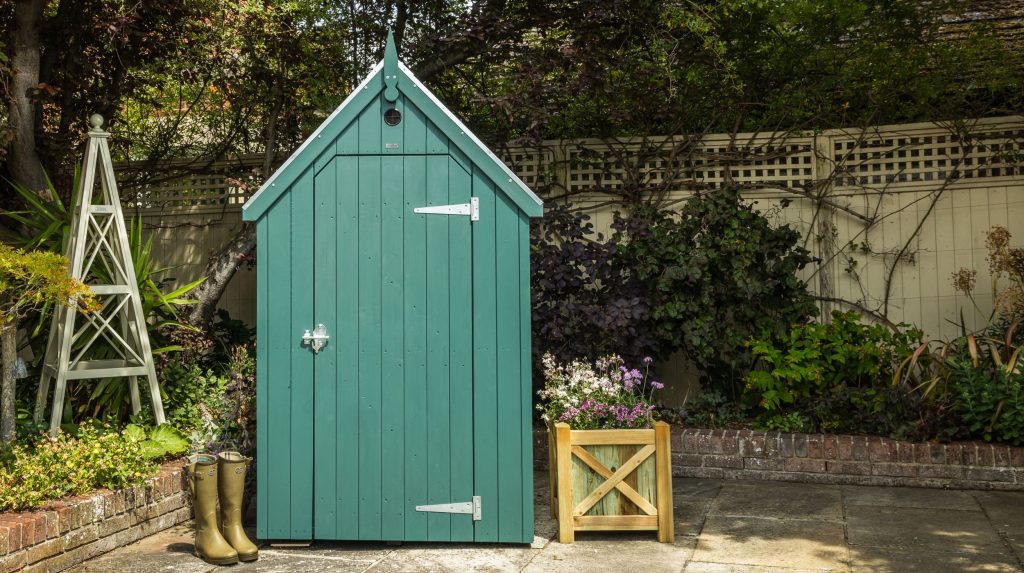
Few things undermine a new build garden’s calm more quickly than visible bins, bikes and tools cluttering the boundaries. Yet because these gardens often lack a side passage or dedicated utility area, practical items tend to find their way into the main view by default.
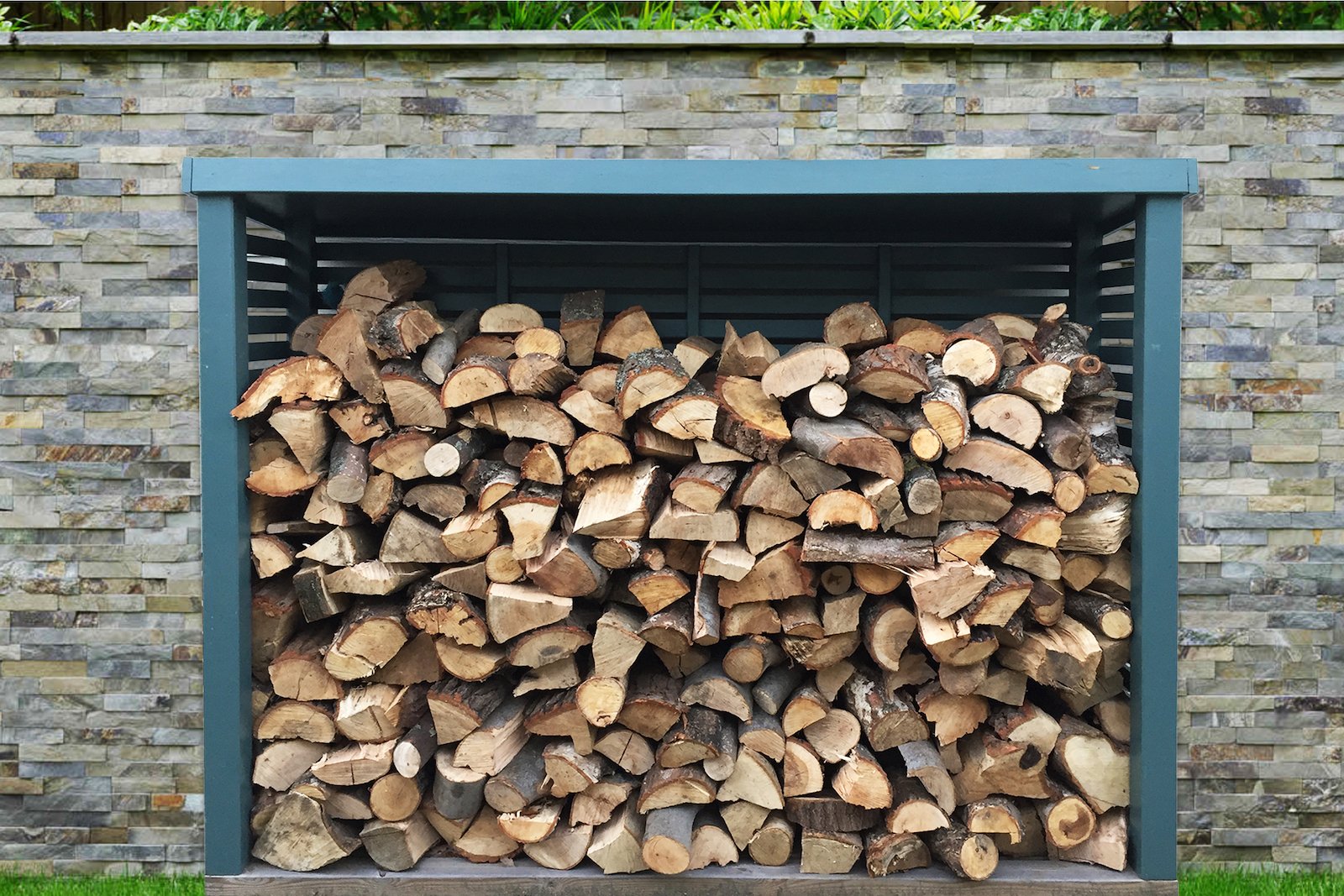
Thoughtful storage is therefore one of the quietest but most effective ways of softening a new build plot. A timber log store tucked against a wall adds warmth and texture while serving a real function. A discreet bin store keeps wheelie bins from dominating the side return. Wider stores and sheds can hide tools, bikes and seasonal kit while reading as a deliberate design feature.
When practical items are gathered into well-made timber structures, they stop competing with the garden and start contributing to it. The plot looks calmer, the boundaries feel less busy, and the eye can rest on the elements that matter.



A Few Principles for Making a New Build Feel Established Faster
Bringing all of this together, there are a handful of principles that consistently help a new build garden feel mature ahead of its years:
- Introduce overhead structure early, before borders are filled in
- Use vertical elements such as obelisks to add immediate height to thin planting
- Soften the threshold with wooden planters near the house
- Create at least one moment of progression, often using a rose arch or arbour
- Keep practical items behind considered timber storage
- Let timber weather naturally, so structures feel settled within a season or two
None of these principles requires waiting for plants to mature. Each one introduces a sense of maturity in its own right, and together they help even a brand new garden feel like a place that has been thought about carefully from the very beginning.
Bringing Structure and Softness Together
A new build garden is rarely improved by trying to fill it with planting alone. What really changes the feeling of these spaces is a quiet layer of structure, used to soften the hard edges and give the planting somewhere to grow into. With pergolas overhead, planters near the house, obelisks in the borders, rose arches drawing the eye through, and storage tucked thoughtfully out of sight, the garden begins to feel composed long before it has had a chance to mature.
If you would like guidance on choosing pergolas, wooden planters, obelisks, rose arches or storage for a new build garden, browse our full range of timber garden joinery. Our team is always happy to discuss how a few well-chosen pieces can help your outdoor space feel softer, more settled and beautifully complete from the very first season.