
As the evenings draw in and the borders begin to fade, most of us instinctively start to tidy the garden away for winter. Yet autumn is quietly one of the most generous moments in the gardening year. The soil still holds the warmth of summer, rain returns, and plants set into the ground now have months to settle their roots before spring asks anything of them.
This makes autumn climbing plants one of the most rewarding investments you can make in a garden. Roses, clematis, honeysuckle, jasmine and vines planted over the coming weeks will be ready to grow with real conviction next year. The question worth asking first, however, is what each climber will grow on.
Let us explore how to pair the right climber with the right structure, and why the structure deserves to come first.
Why supports should go in before you plant
It is tempting to buy a climber, plant it against a wall and promise yourself you will sort out the support later. In practice, later rarely arrives until the plant is sprawling across the border or flopping over a path.
Putting the structure in place first is not about tidiness. It is about giving the plant a clear direction from its very first season. A climber that can find its support straight away grows in the shape you intended, rather than one you spend years correcting.
There are practical benefits too. Setting supports in position before planting allows you to:
- Avoid disturbing young roots once they begin to establish
- Plant at a sensible distance from the base of the structure
- Tie in new growth as it appears, rather than untangling it later
- See the finished composition before committing to a planting position
When considered early, the structure becomes part of the design rather than a rescue mission.
Matching autumn climbing plants to the right structure
Every climber has its own character. Some are light and airy, some are generous and romantic, and some are vigorous enough to need something properly robust. Matching temperament to structure is what makes a planting scheme feel settled.
Here are a few pairings that work beautifully in British gardens.
Roses and rose arches
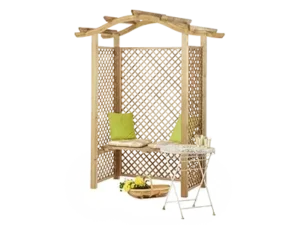
Climbing and rambling roses are the classic autumn planting, and they are at their most graceful when trained over an arch. Rose arches and arbours give roses the height and framework they need, while creating a romantic threshold between one part of the garden and the next.
An arch planted now will carry its first flush of flowers next summer. Pairing a rose with a later-flowering clematis on the same arch extends the display well beyond June.
Annual climbers and obelisks
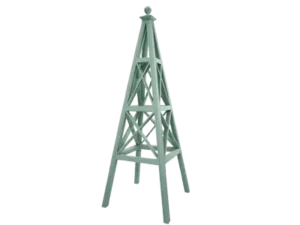
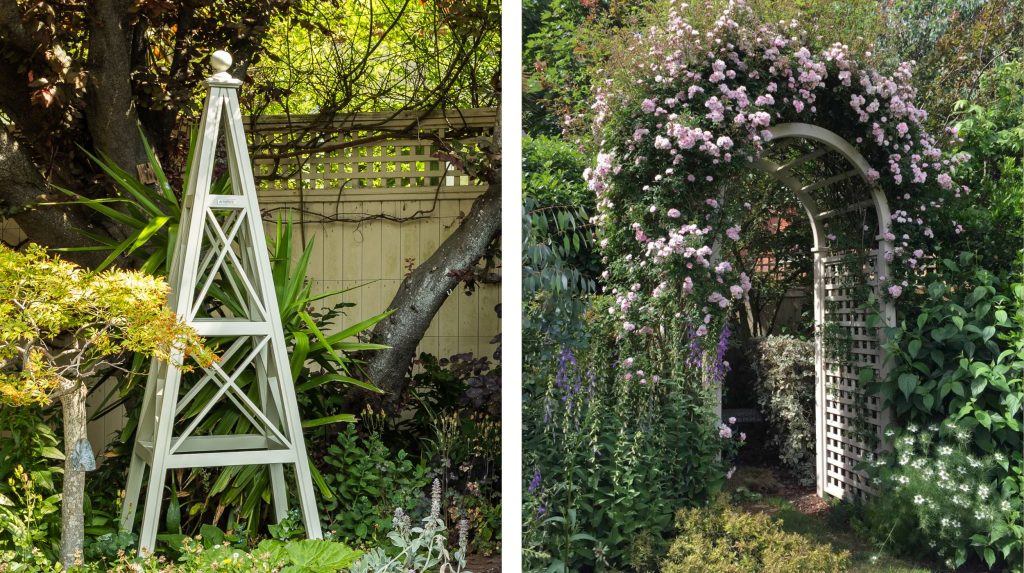
Sweet peas sown in autumn, and other annual climbers started in spring, suit the neat vertical frame of an obelisk. Obelisks bring height to borders and containers in a way that feels intentional even before anything has grown up them.
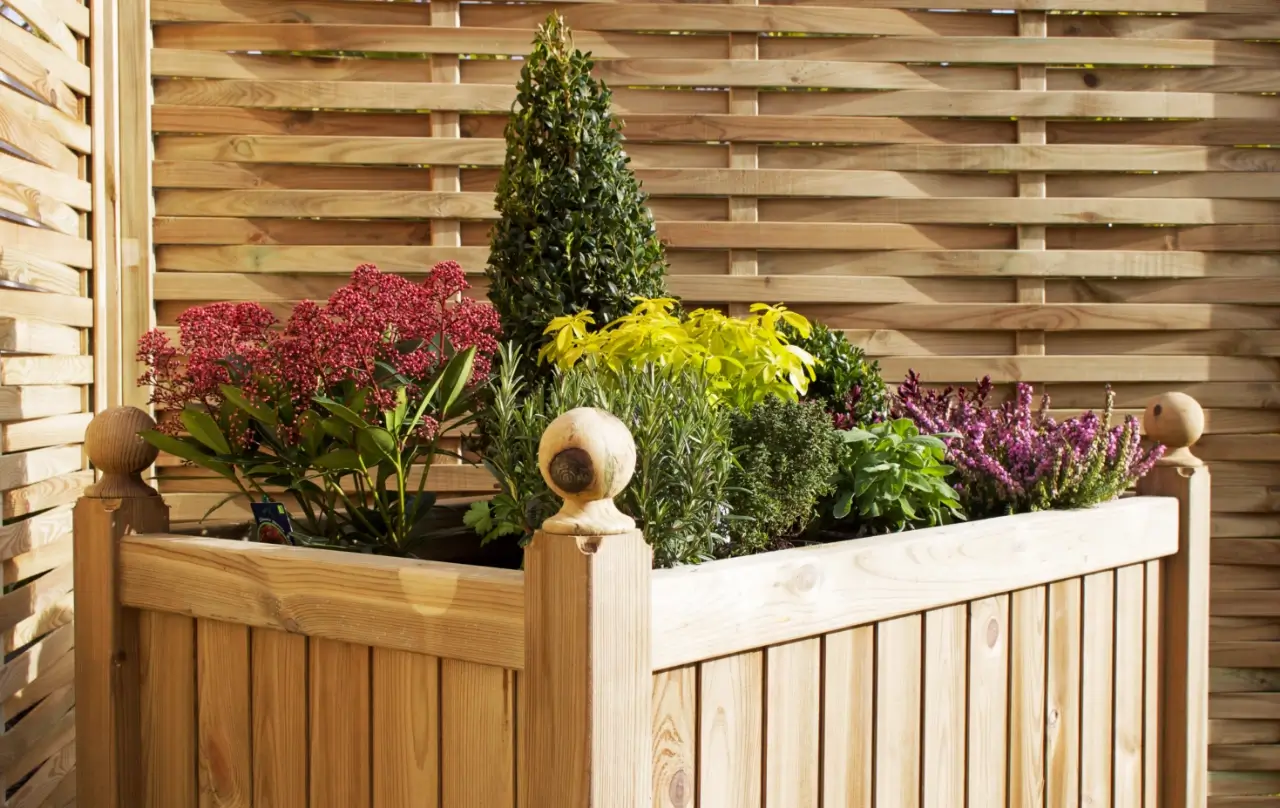
Because they stand as architectural features in their own right, obelisks also hold the eye through winter while the planting catches up. For patios and terraces, the Square Planters with Obelisks combine container and support in a single, cohesive piece.
Vigorous growers and robust trellis
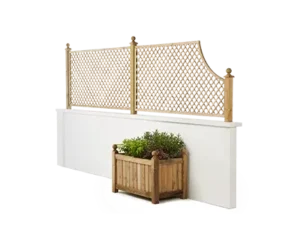
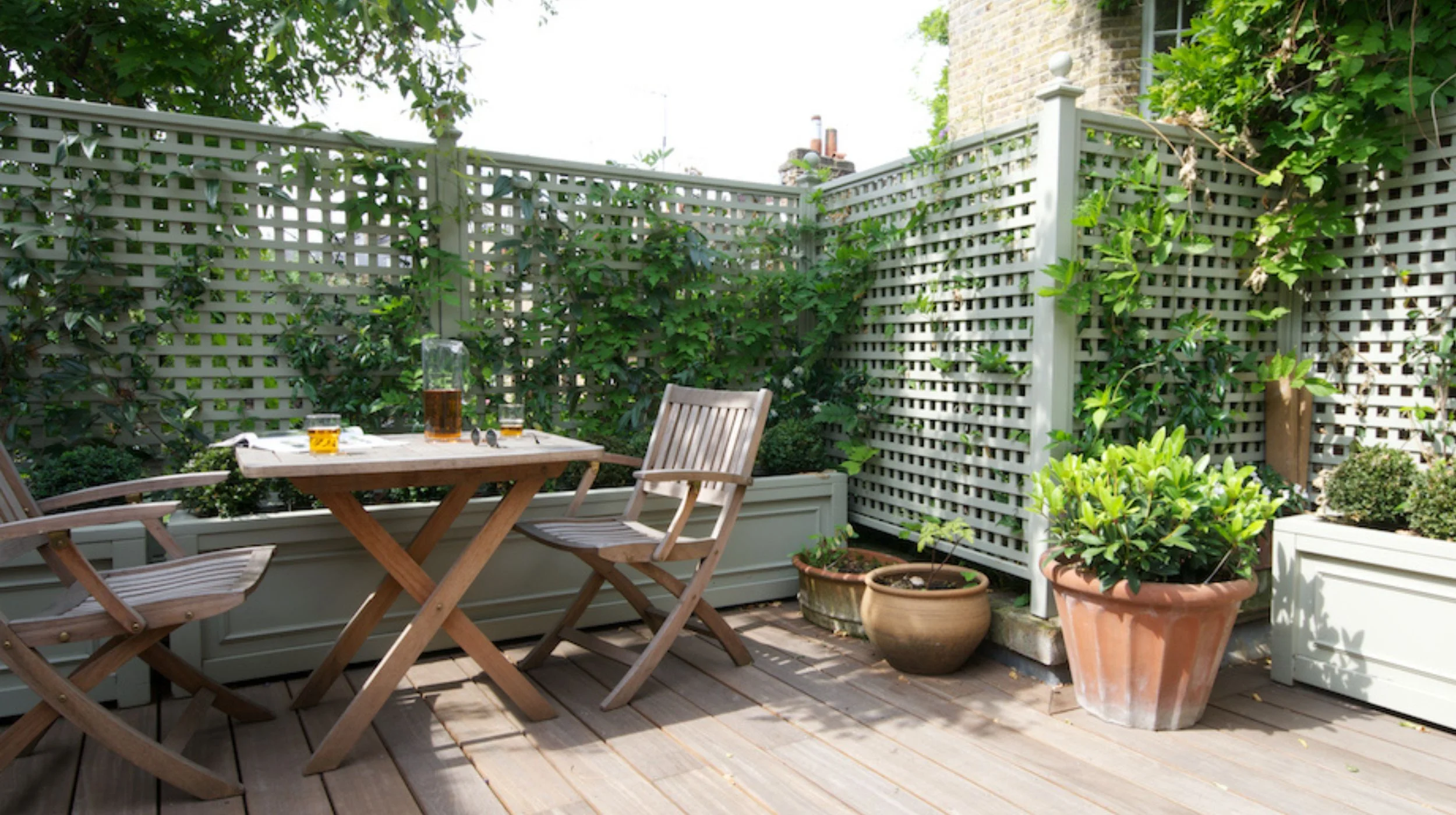
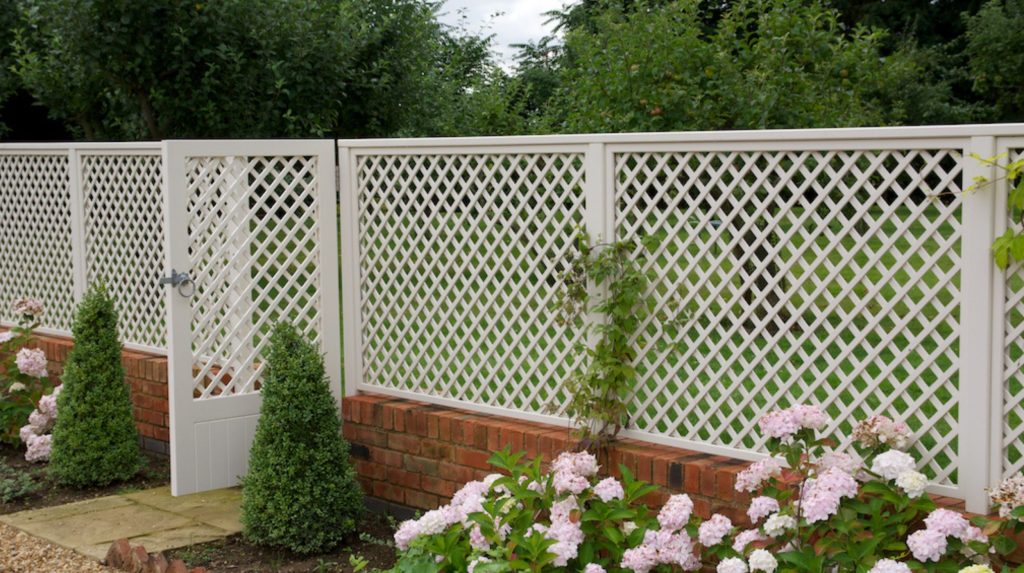
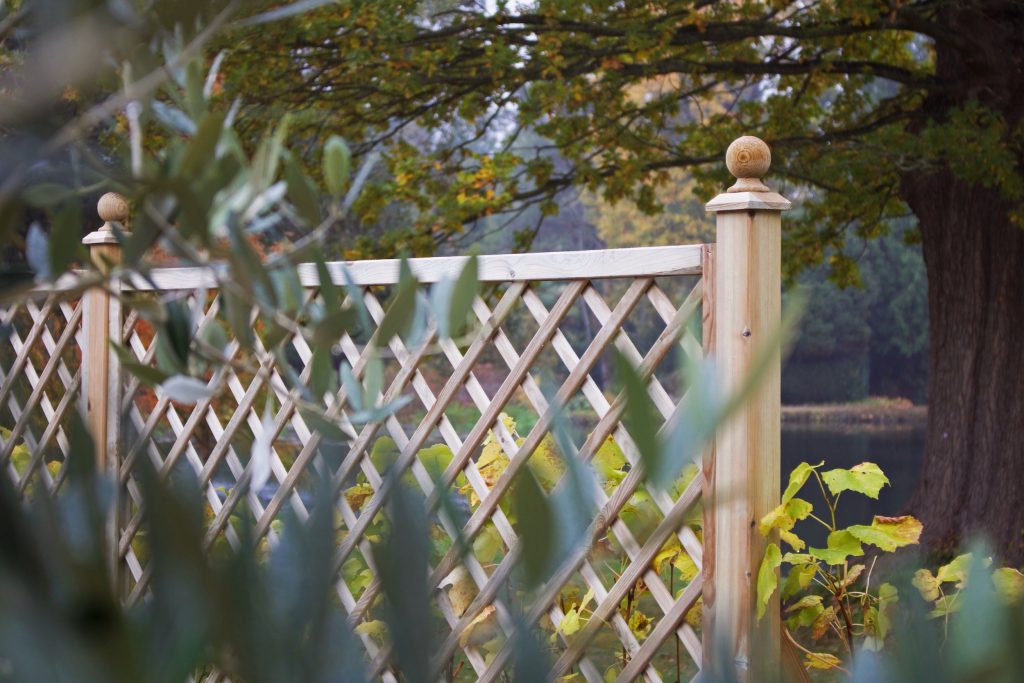
Climbing hydrangea, star jasmine, honeysuckle and the more energetic clematis varieties need a support that can take their weight for decades. Well-made trellis panels fixed securely against a wall or fence give these climbers an enduring framework to cling to and spread across.
This is where build quality matters most. A vigorous climber in full leaf is heavy, and it will test any structure that has not been designed to last.
Vines and pergolas
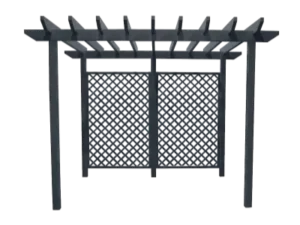
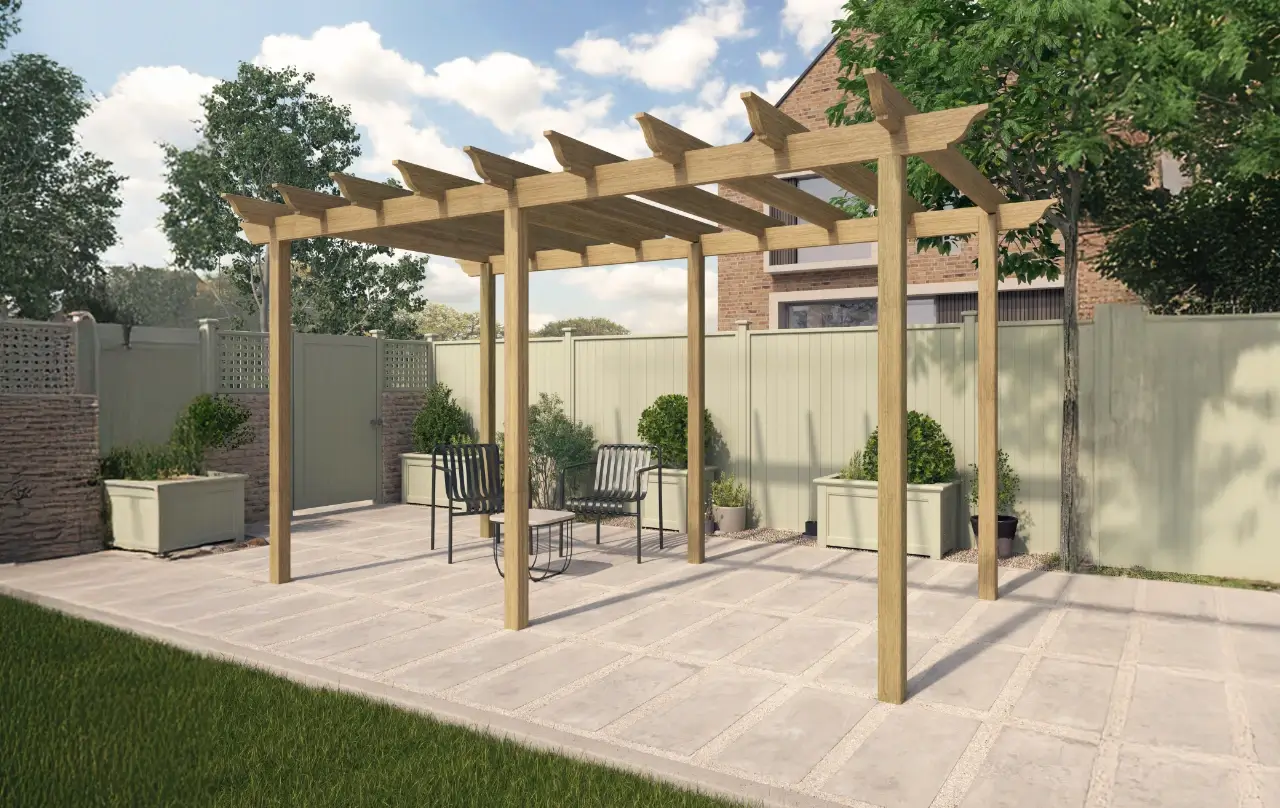
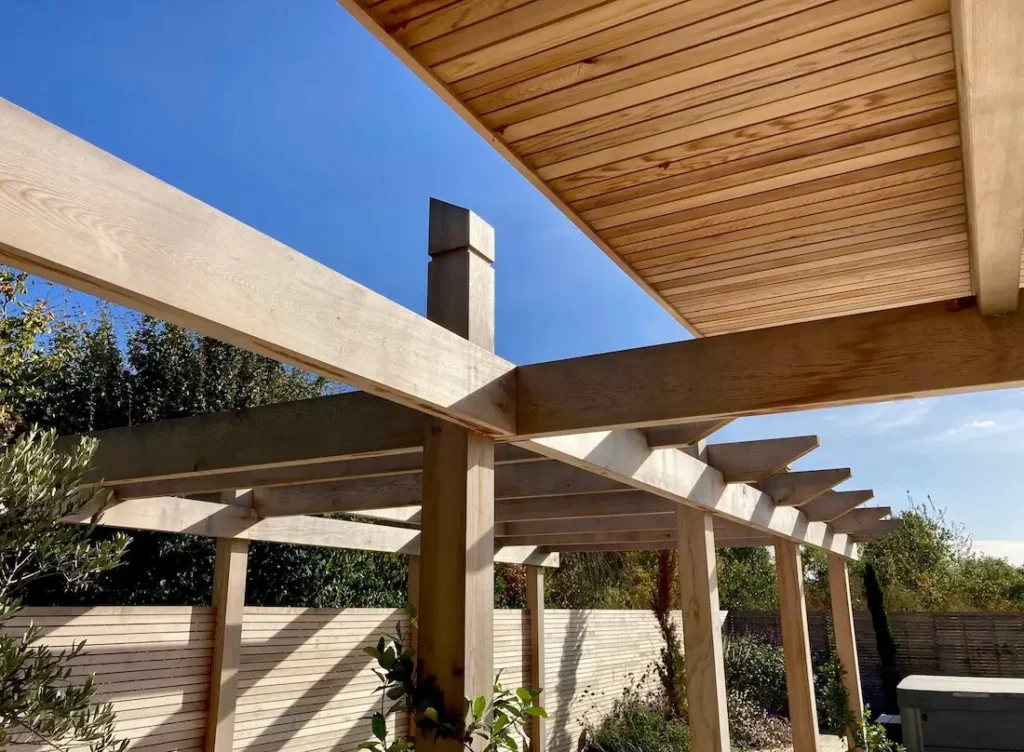
Grape vines and wisteria are made for pergolas. Their long, reaching stems want to travel horizontally, and a pergola gives them the room to do exactly that. Over time, pergolas draped in vines create dappled shade and a layered canopy that feels timeless.
Dormant vines are well suited to planting from autumn into winter, which makes this a natural moment to plan the pergola they will eventually cover.
Choosing structures that frame, not just support
A climbing support spends part of every year on show without much planting on it. In winter, when leaves have fallen, the structure itself becomes the feature. This is why it pays to think about shape and proportion, not only strength.
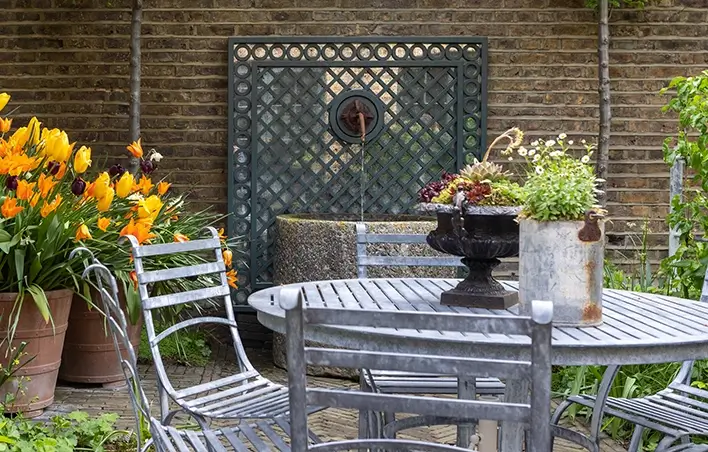
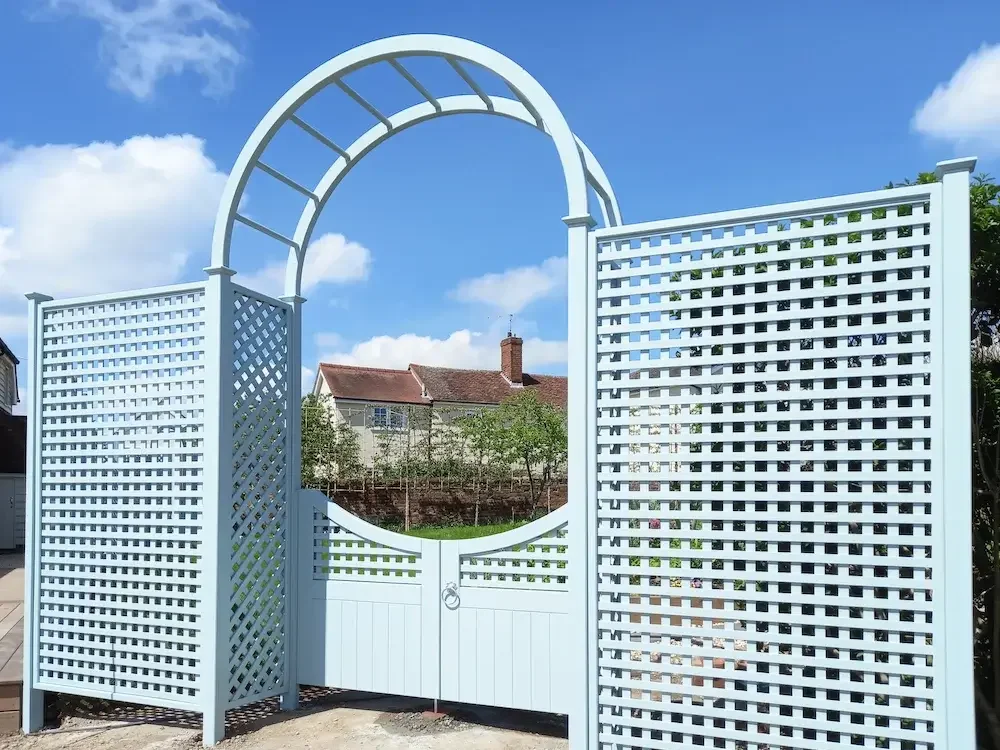
Arch top trellis is a lovely example. Its gently curved outline frames a climber against a wall in the way a picture frame finishes a painting. A single panel behind a bench, or a pair either side of a doorway, gives a wall a considered focal point even in the depths of January.
When choosing structures for your climbers, consider:
- How the structure will look when bare in winter
- Whether its style suits the architecture of your home
- The scale of the plant it will carry at maturity
- How it relates to the other structures already in the garden
Light guidance for planting climbers in autumn
This is not the place for a horticultural manual, yet a few simple principles help autumn climbing plants settle well.
Plant while the soil is still warm
Early to mid autumn is ideal for container-grown climbers, as the ground is warm and moist. Bare-root roses follow later, typically from November onwards through the dormant season.
Give roots some breathing space
Planting a short distance away from the base of a wall or post, then angling the plant towards its support, keeps it clear of the dry, sheltered ground right beside a structure.
Keep an eye on watering
Autumn rain usually does much of the work, yet a dry spell in October can still catch new plantings out. A good soak after planting sets them off well.
Building a climbing garden season by season
The most beautiful climbing gardens rarely arrive all at once. They build gradually, with structures laid down first and planting layered in over successive autumns.
If you are planning a climbing scheme this season, a simple order of work helps:
- Start with the framework, choosing the arches, pergolas and trellis that give the garden its shape
- Add height in the borders with obelisks that bring vertical interest to lower planting
- Plant your permanent climbers while the soil is still warm
- Layer in annual climbers in spring for colour while the permanent planting matures
Approached this way, each season adds to the last, and the garden feels more settled with every year that passes.
A framework for next year’s growth
Autumn planting is an act of quiet optimism. The work you do now happens mostly out of sight, beneath the soil and inside the timber framework you choose, yet it shapes everything the garden becomes next summer.
If you are ready to give your climbers the structure they deserve, browse The Garden Trellis Company’s collections of obelisks, rose arches and arbours, trellis panels, arch top trellis and pergolas for design-led supports that will carry your planting beautifully for years to come. Our team is always happy to advise on the right structure for your garden and help design custom options.